
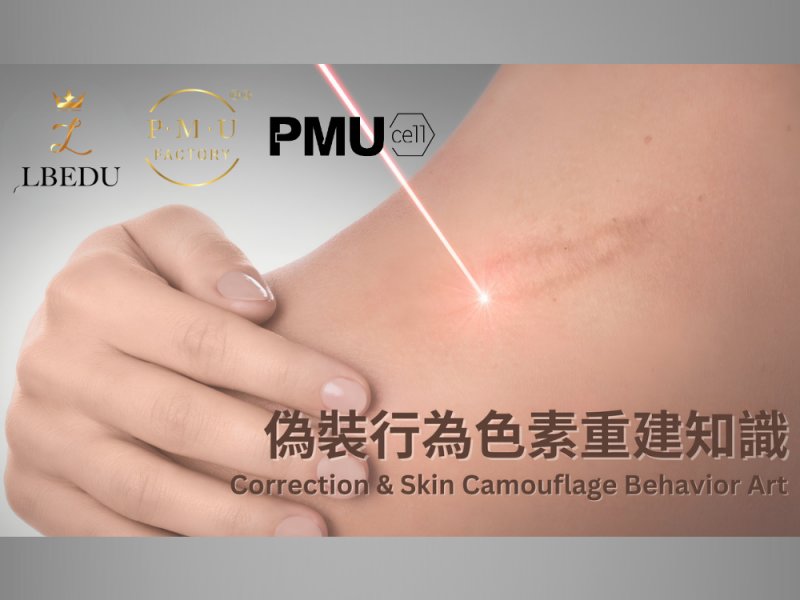
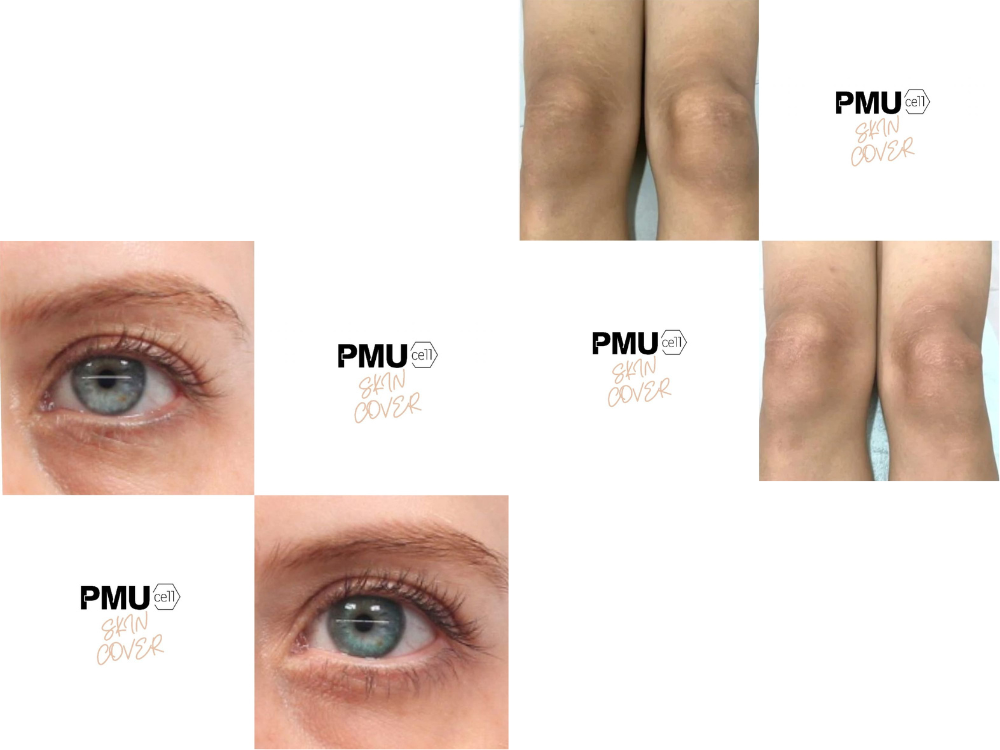
- ‧ Skin camouflage uses semi-permanent pigments to blend skin imperfections with surrounding healthy skin
- ‧ Applications: stretch marks, vitiligo, surgical scars, trauma scars, burn pigmentation, areola reconstruction
- ‧ Professional systems use PMUCELL digital analyser with mobile APP for objective skin tone matching
- ‧ 7 factors affect treatment sessions: skin type, age, medication, area size, scar thickness, lifestyle, aftercare
- ‧ Hong Kong market pricing: stretch marks from HK$7,200, vitiligo from HK$3,600, scars from HK$1,600
- ‧ Career pathway: HKQF Level 3 foundation → ITEC Level 5 advanced pigment reconstruction
- ‧ HKQF course is CEF-subsidised (code 74C162547), net fee as low as HK$4,620
This article provides a comprehensive guide to skin camouflage and pigment reconstruction technology – covering market terminology, technical principles, applications (stretch marks, vitiligo, scars), 7 key factors affecting treatment sessions, 4 core values, and detailed Hong Kong pricing (stretch marks HK$7,200–13,600, vitiligo from HK$3,600, scars from HK$1,600). It also offers a clear career pathway: start with HKQF Level 3 Semi-Permanent Makeup Certificate (CEF-subsidised) to build foundations, then progress to VTCT (ITEC) Level 5 International Camouflage and Skin Restoration Certificate – with real student testimonials and FAQs for both consumers and career entrants.
Skin Camouflage Complete Guide | Professional Skin Pigment Reconstruction
Whether caused by autoimmune conditions, post-pregnancy stretch marks, surgical scars, or various types of skin pigmentation irregularities — these issues can have a lasting impact on one's confidence, social life, and daily activities. Many attempt to conceal them with cosmetics, but often face challenges like colour mismatch, smudging, or embarrassing moments at the beach or during exercise.
With the advancement of semi-permanent techniques, Skin Camouflage & Pigment Reconstruction has become an increasingly popular solution. However, this is a highly refined skill with many different names in the market, often confusing both consumers and newcomers. Today, we will start by clarifying the terminology, then break down the principles, applications, market pricing, and the proper pathway for entering this profession.
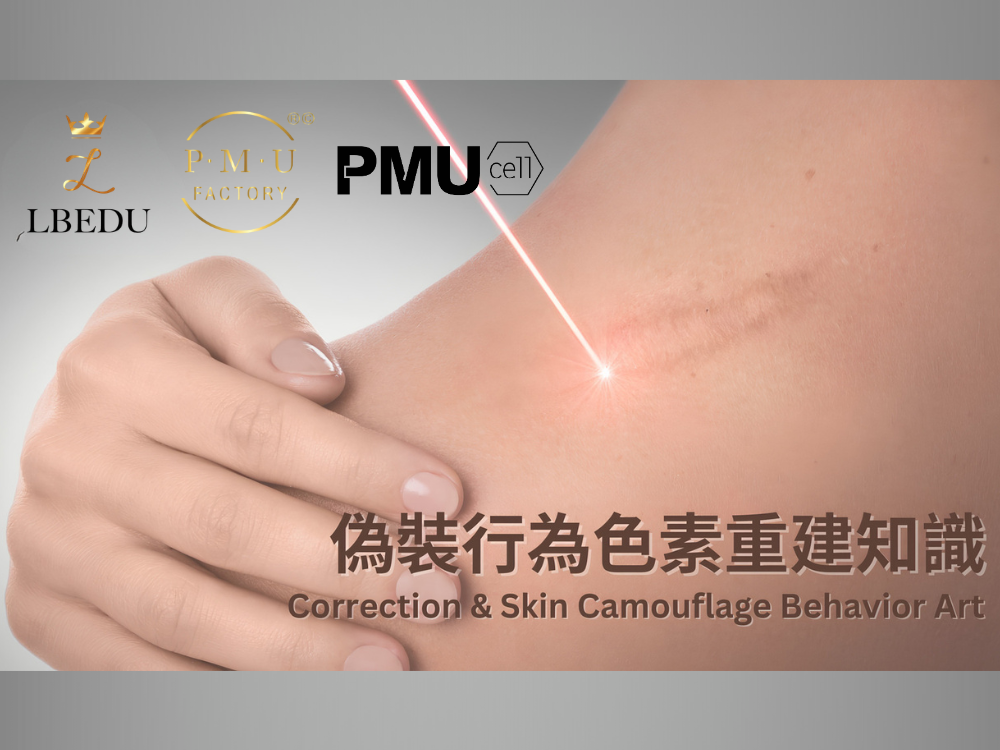
1. Market Terminology: Why So Many Names for the Same Technique?
- Skin Pigment Reconstruction — Emphasises the technical aspect; a more formal industry term
- Skin Tone Restoration / Reconstruction — Focuses on the outcome; easier for the public to understand
- Camouflage Behavior Art — The academic term, emphasising the aesthetic effect of "visual camouflage" through pigment
- Skin Camouflage — The most classic and widely used term
- Skin PMU / PMU Skin — The dominant market terminology in recent years
- Micropigmentation — Describes the technical principle of micro-pigment deposition
Regardless of the name, the essence remains the same: using semi-permanent pigments matched to the client's natural skin tone, implanted into the epidermis to conceal imperfections and achieve an even complexion.
2. Technical Principles Explained
Skin Camouflage (Correction & Camouflage Behavior Art) is a semi-permanent technique specialised in addressing skin pigmentation discrepancies. Through precise colour matching and micro-pigmentation, the affected area is adjusted to blend seamlessly with the surrounding healthy skin, achieving a smooth and uniform visual appearance.
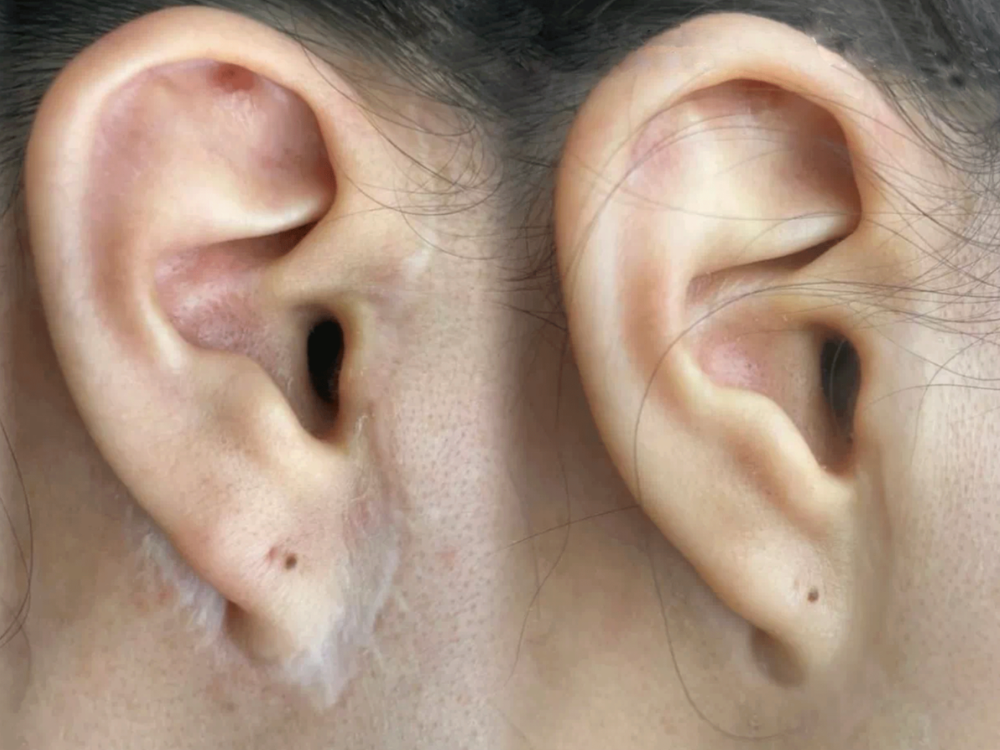
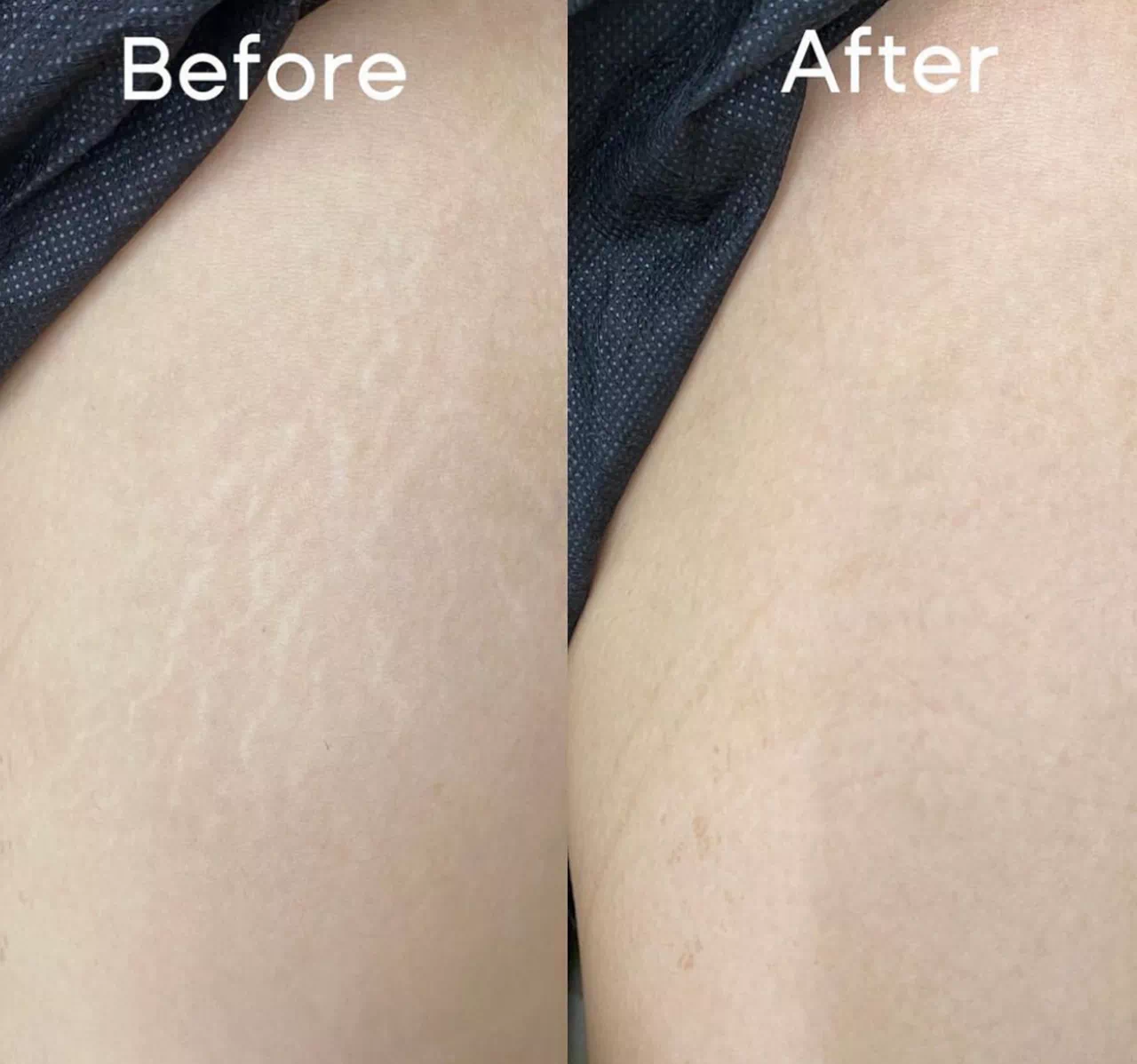
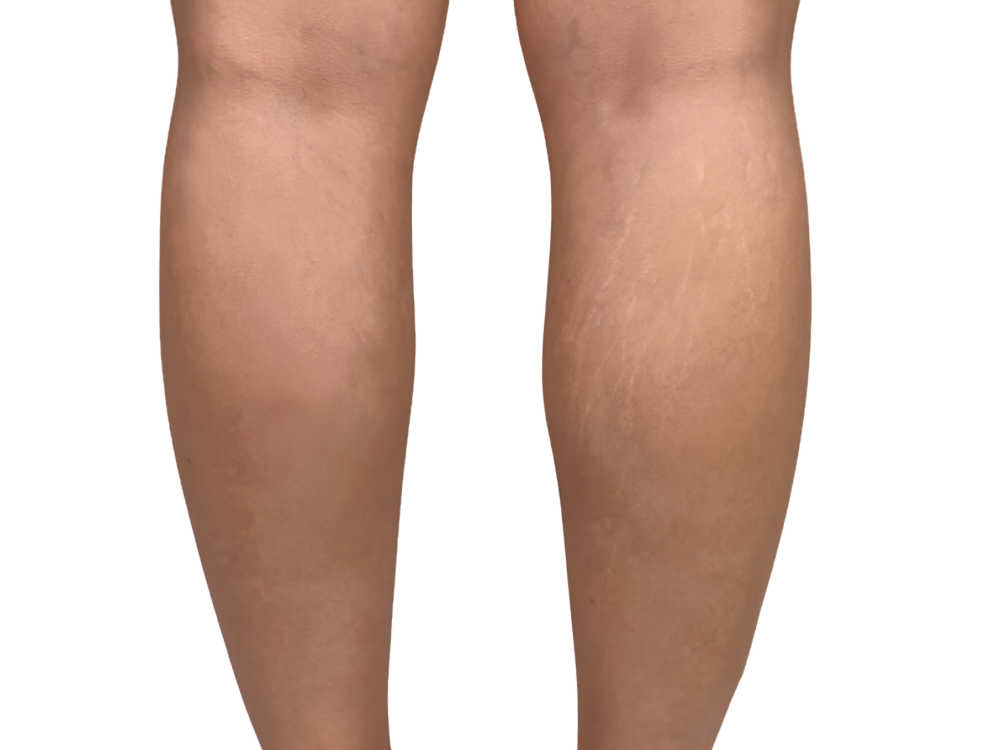
Applications include: stretch marks (striae gravidarum, striae distensae), vitiligo (white patches), various surgical scars, traumatic scars, post-burn pigmentation irregularities, and areola reconstruction. This goes beyond cosmetic improvement — it significantly enhances the client's confidence and quality of life.
Professional practice employs the PMUCELL Digital Skin Analyser with a dedicated mobile app to perform objective skin tone analysis, accurately calculating the required pigment type and mixing ratio to ensure the final colour matches the client's natural skin tone with high precision.
3. Seven Key Factors Affecting Treatment Sessions
- Skin Type — Different skin textures and thicknesses affect pigment retention
- Age — Metabolic rate influences touch-up frequency
- Medications & Health Conditions — Certain medications or conditions can affect pigment stability
- Treatment Area & Expected Results — Larger areas typically require more sessions
- Scar Tissue Thickness — Thicker scar tissue makes pigment penetration more challenging
- Lifestyle Habits — Sun exposure, chlorine, and frequent exfoliation accelerate pigment fading
- Aftercare — Proper post-treatment care significantly extends the longevity of results
4. Four Core Values of the Technique
- Restoring Confidence & Social Dignity — Significantly improves appearance, helping individuals feel comfortable again in social, professional, and everyday settings
- Minimising the Impact of Medical Treatment on Daily Life — Camouflages treatment-related skin side effects, allowing clients to maintain normal work and social routines
- Safe, Hypoallergenic & Long-Lasting — Uses medical-grade, low-irritation pigments; when performed by trained professionals, provides stable, long-term coverage
- Dual Clinical & Cosmetic Applications — Widely applied in burn scar coverage, surgical scar camouflage, areola reconstruction, and other medically supportive scenarios
5. Hong Kong Market Price Reference
| Type | Price (HKD) | Notes |
|---|---|---|
| Stretch Marks (Pregnancy) | HK$7,200 | Shallow lines, fewer marks |
| Stretch Marks (Growth) | HK$11,600 | Wider lines, larger area |
| Stretch Marks (Weight-related) | HK$13,600 | Dense, fine lines — higher difficulty |
| Area | Price (HKD) | Notes |
|---|---|---|
| Small (≤2cm×2cm) | HK$3,600 | — |
| Medium (2-4cm×2-4cm) | HK$5,800 | Includes post-laser pigmentation loss |
| Additional HK$725 per 1cm increase on each side | ||
| Type | Price (HKD) | Notes |
|---|---|---|
| Eyelid surgery scar (pair) | HK$3,600 | — |
| Flat scar (≤2cm×1cm) | HK$1,600 | — |
| Surgical scar (≤2cm×1cm) | HK$2,000 | — |
| Additional HK$500 per 1cm increase on each side | ||
6. Career Progression Pathway: Foundation First, Then Advanced
Skin camouflage is an advanced semi-permanent technique — it should never be learned before mastering the fundamentals.
The proper progression is to first master semi-permanent makeup foundations, skin physiology, and medical-grade hygiene standards, then advance to specialised pigment reconstruction training.
- QF Level: Hong Kong Qualifications Framework Level 3 | Credits: 12 | QR No.: 25/000363/L3
- CEF Recognised: Included in CEF (Course Code: 74C162547)
- Duration: 2-3 months | 55.5 hours + assessment
- Tuition: HK$17,800 | Max CEF Subsidy: HK$13,180, net cost as low as HK$4,620
- Entry Requirements: Form 3 + 3 years beauty experience, or completed Level 2 Makeup/Skincare course
- Core Content: Skin structure & function, medical-grade sterilisation, brow techniques (ombre, microblading, combination), eyeliner, lip blush, SMP scalp micropigmentation, basic pigment reconstruction assessment
- Articulation: Graduates can self-fund ITEC Level 4, and upon meeting prerequisites, progress to advanced pigment reconstruction training
- Qualification Level: UK RQF Level 5 | EU EQF Level 5
- Duration: 1 month | 21 hours theory + practice
- Tuition: HK$10,800 (HK$2,000 deduction if not taking ITEC assessment)
- Entry Requirements: Age 18+, Form 3 education, and holds ITEC Level 4 Semi-Permanent Makeup certificate
- Core Content: Environmental safety & hygiene standards, skin tone analysis & pigment mixing, scar repair, vitiligo coverage, stretch mark restoration, areola reconstruction, client consultation & aftercare
- Graduation Award: LBEDU Academy Certificate + optional VTCT (ITEC) Level 5 International Certificate
7. Student Testimonials
"I was working in an office and wanted to transition into beauty. I enrolled in the HKQF Level 3 course, learning from skin structure and sterilisation to foundational techniques — building a solid base. After graduation, I started with basic services to gain experience, and now I'm preparing for Level 5. Skills take time; once your foundation is solid, learning advanced techniques comes naturally."
"After four years in PMU, I wanted to increase my service value. I considered self-learning, but realised that colour matching and scar assessment require systematic training. The ITEC Level 5 programme gave me structured learning in digital colour analysis and various application techniques. I've now launched pigment reconstruction services, at a much higher price point than standard PMU."
"I lived with old scars for years. After undergoing pigment reconstruction with satisfactory results, I decided to enter the industry. I started from zero with HKQF to build the foundation, then advanced to ITEC Level 5. Now I help others with similar concerns. This technique affects clients' skin health and emotional wellbeing — proper, formal training is non-negotiable."
8. Frequently Asked Questions
Summary
Skin camouflage is more than a cosmetic technique — it has profound human value. It not only improves appearance but also helps individuals with skin concerns regain their confidence and quality of life.
For consumers, choose practitioners with formal training and recognised professional qualifications. For those entering the industry, follow the "foundation-first, advanced-second" pathway: start with HKQF Semi-Permanent Foundation, then progress to ITEC Level 5 — never compromise safety and quality for speed.
Sources
International Semi-Permanent Makeup Association: Skin Camouflage Technical Standards & Safety Guidelines
PMUCELL Official Technical Manual: Digital Skin Analyser Operation & Pigment Ratio Standards
VTCT Skills (ITEC): Level 5 Camouflage and Restoration Syllabus & Assessment Standards
Hong Kong Qualifications Framework Secretariat & Continuing Education Fund Office: HKQF Level 3 Semi-Permanent Makeup Certification Documents
Hong Kong Beauty Industry Market Research Report (2025-2026)
Comments (0)
No comments yet
Leave a Comment