
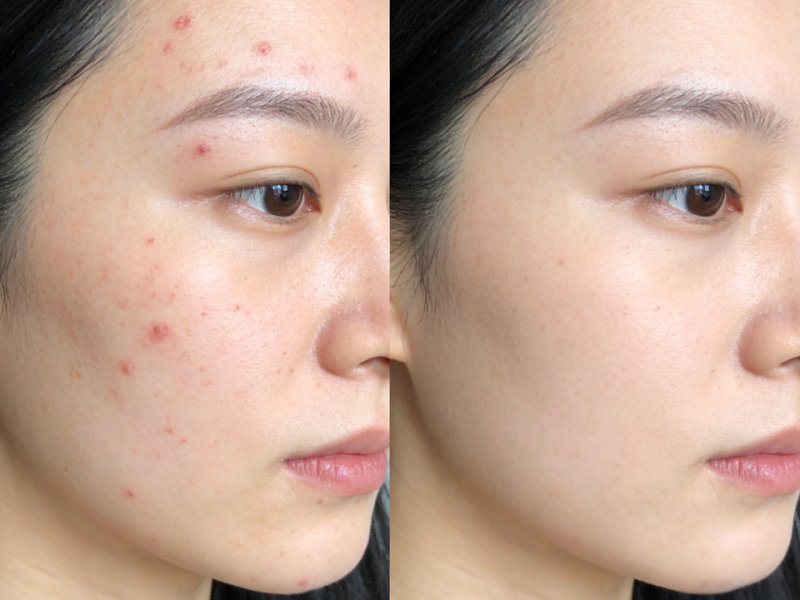
- acne extraction
- acne care
- beauty course
- IQA certification
- skin treatment
Learn professional acne extraction step by step: disinfection, procedure, aftercare. No redness, no scars, no rebound. For beauty beginners, aligned with IQA in
Acne Extraction Correct Technique | No Redness, No Recurrence, No Scarring (Essential for Beginners)
Acne extraction is a core skill essential for professional beauty practitioners and a compulsory module in the certification courses of the International Qualifications Assessment (IQA, https://iqaworld.com). As a fundamental entry‑level skill in the beauty industry, its operational standard directly affects the effectiveness of skin care and the outcome of qualification assessments. Currently, some beginners perform acne extractions blindly without systematic training, which not only fails to remove lesions effectively but also easily induces skin redness, inflammation spread, acne recurrence, and in severe cases permanent acne scars and pitted scars. This not only affects clients’ skin health and experience but also leads to direct failure in the IQA certification exam.
This article is systematically compiled by LBEDU / LBIETA (https://lbacademy.com.hk), a Hong Kong government‑registered institution, QF star‑rated training institute, and an official IQA examination centre. Based on years of IQA international teaching experience and clinical data, we present the professional standard procedure for acne extraction. The content covers pre‑procedure preparation, core steps, post‑care, full‑process precautions, and common beginner mistakes, providing scientific and practical guidance to help beginners improve their proficiency and successfully pass the IQA practical assessment.
LBEDU’s ability to offer high‑standard IQA beauty courses and assessments lies in its curriculum (e.g., Medical Aesthetic Skin Piercing, Certificate in Semi‑Permanent Micropigmentation) and its teaching venues and facilities, which have been triply accredited by the Hong Kong Council for Accreditation of Academic and Vocational Qualifications (HKCAAVQ), the Labour and Welfare Bureau, and the Hong Kong Qualifications Framework (HKQF). This ensures that teaching content and assessment standards strictly align with international norms and local professional requirements, providing a solid foundation for students to obtain IQA international certification and embark on a professional career in the beauty industry.
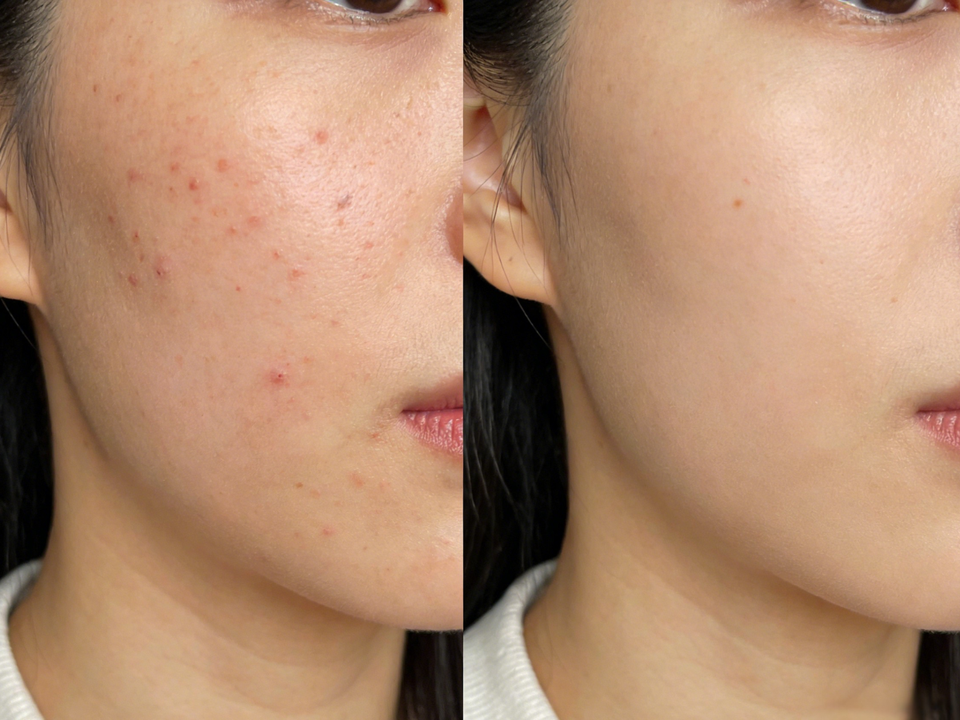
1. Three Essential Steps Before Extraction to Prevent Infection (IQA Assessment Focus)
Aseptic technique is the fundamental prerequisite for acne extraction. It is not only key to preventing skin damage and reducing infection risk but also a core scoring point in the "Operational Standards" module of the IQA exam, and a basic principle repeatedly emphasised and trained in LBEDU’s teaching system. Beginners must master and strictly implement it.
1.1 Self and Tool Disinfection (Core Step)
- Self‑disinfection: The operator must thoroughly wipe their hands from fingertips to wrists with 75% medical alcohol wipes for at least 30 seconds. After the alcohol has completely evaporated, wear disposable sterile gloves and keep them on throughout the procedure; nails must be trimmed short and smoothed to avoid scratching the client’s skin. This is a basic criterion in the "Occupational Hygiene Standards" module of the IQA exam.
- Tool disinfection: Common extraction tools (comedone extractor, lancet) must undergo double disinfection: soak in 75% medical alcohol for 10 minutes, wipe dry with sterile gauze, then sterilise in a high‑temperature steriliser for 3‑5 minutes. If a high‑temperature steriliser is not available, repeat alcohol immersion to ensure no bacteria remain. Disinfected tools must be placed in a sterile tray; placing them casually on the work surface is prohibited. The completeness and standard of tool disinfection directly affect the IQA practical assessment score.
1.2 Client Skin Cleansing and Softening
- Instruct the client to wash the face with a mild cleanser, avoiding products containing strong acids or alkalis to prevent irritation and worsening of local inflammation. After cleansing and drying, apply a sterile hot towel at about 40°C to the acne area for 3‑5 minutes. The purpose is to dilate pores and soften the stratum corneum, facilitating smooth expulsion of pus and comedones and reducing skin拉扯 damage during the procedure.
⚠️ IQA Assessment Reminder: During hot towel application, the operator must ask the client about the temperature to ensure it is comfortable and avoid burns. This not only ensures a good client experience but is also a core scoring point in the "Service Awareness" module of the IQA exam, and a key training focus in LBEDU’s practical courses.
1.3 Acne Type Identification (Avoiding Mistakes)
Not all types of acne are suitable for extraction. Blindly squeezing unassessed acne is the most common beginner mistake. It not only worsens inflammation but may also cause permanent scarring. The following two types are strictly forbidden for extraction, as clearly stated in the IQA exam:
- Immature acne: Red, hard, with no visible white pus point, accompanied by mild to moderate pain. This type is in the acute inflammatory stage; squeezing will spread inflammation and worsen redness and pain.
- Deep cystic acne: The lesion is deep in the subcutaneous tissue, with a large swollen area, hard to the touch, and no visible pus point. Extraction cannot effectively remove the lesion and will damage subcutaneous connective tissue, leading to depressed scars.
✅ Suitable acne for extraction: Acne with a visible white or yellow pus point on the surface, mild swelling, soft to the touch, and with the stratum corneum sufficiently softened. Such mature acne, when extracted correctly, heals quickly and is less likely to leave scars. It is the main target in IQA practical assessments.
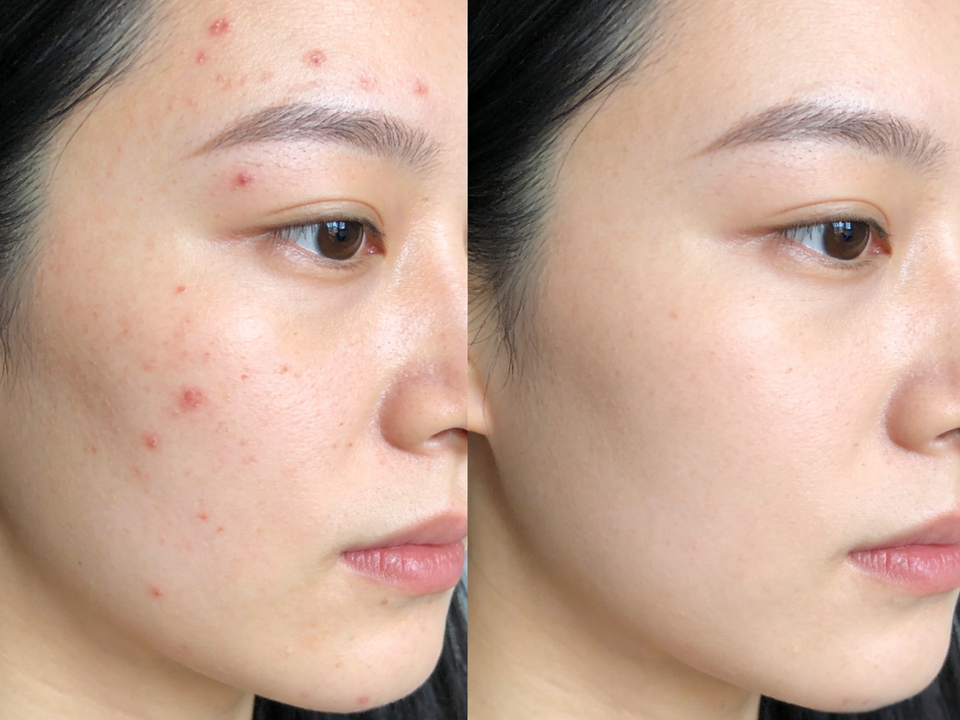
2. Core Steps: Standard Acne Extraction Technique (Step‑by‑Step Guide for Beginners)
The following steps strictly correspond to the IQA international beauty certification practical standards and are the core teaching content of LBEDU’s IQA courses. Every detail meets the professional requirements of the Hong Kong Qualifications Framework. Beginners can follow this guide to practise and avoid mistakes.
- Step 1: Locate the acne and stabilise the skin
Hold a sterile round‑tipped lancet and gently press around the acne with the blunt end to precisely locate the pus point. Use the index and middle fingers of the other hand to stretch the skin around the acne along the skin texture lines, opening the pores fully to allow smooth expulsion of comedones and pus, while reducing skin拉扯 damage.
⚠️ Detail reminder: Keep the stretching force even to avoid skin strain; control the pressure when pressing with the lancet, never press hard on the acne itself to avoid puncturing subcutaneous tissue. Proficiency and standard in this step are key scoring points in the "Operational Precision" module of the IQA exam. - Step 2: Puncture the top of the acne and separate the stratum corneum
Take a sterilised comedone extractor and gently puncture the white pus point with the sharp end. Puncture only through the epidermis, never into the dermis, to avoid damaging blood vessels and connective tissue. After puncturing, use the round end of the extractor to gently lift the stratum corneum, creating a small exit channel for pus and comedones.
✅ IQA Assessment Tip: The puncture must be gentle and quick, with the sharp end at a 45° angle to the skin surface. Avoid vertical puncturing, which can injure subcutaneous blood vessels and cause redness and bleeding. This 45° angle is a standard requirement in the IQA exam and a key training point in LBEDU’s practical courses. - Step 3: Standardised squeezing to expel the lesion
Hold the round end of the extractor and gently and evenly press the skin on both sides of the acne from the base upwards. The pressure should be gradual, avoiding sudden force. Observe the expelled material: white or yellow pus indicates correct direction and force; if blood appears, stop immediately – it means a subcutaneous vessel has been punctured and emergency measures are needed.
Standard: Squeeze until no more pus is expelled and only a small amount of clear tissue fluid oozes out. Avoid over‑squeezing.
Prohibited: Never squeeze violently or repeatedly at the same spot, and never squeeze until blood oozes. Such actions easily cause infection, worsen redness, and may lead to scars – these are clear deduction points in the IQA exam. - Step 4: Clean up to prevent residual infection
After squeezing, use a sterile cotton pad soaked in 75% medical alcohol to gently wipe the acne area and surrounding skin, removing any residual pus, comedones, and bacteria. Then use a clean sterile cotton pad to gently press the area and absorb excess tissue fluid. Do not rub – rubbing aggravates epidermal damage and induces redness. This step is mandatory in the "Operational Closure Standards" module of the IQA exam.
3. Post‑Extraction Care: Phased Repair Plan to Achieve No Redness, No Scarring (IQA Assessment Focus)
After extraction, the client’s skin is mildly damaged and the stratum corneum integrity is compromised. Proper scientific aftercare is crucial to prevent acne recurrence, worsening redness, and scar formation. This is the most commonly overlooked part by beginners and a core scoring point in the "Post‑Care Guidance" module of the IQA exam, reflecting the professional level of a beauty practitioner. Based on LBEDU’s teaching standards, we provide a three‑phase repair plan suitable for beginners to perform or guide clients.
3.1 Immediate Care (within 10 minutes after extraction – goals: soothe inflammation, contract pores)
- Immediate soothing: Apply a refrigerated sterile moisturising mask or soothing repair mask to the extracted area and surrounding skin for 10‑15 minutes. The cool temperature and active ingredients quickly relieve redness and pain, contract dilated pores, and inhibit inflammation.
- Minimal absorption: After removing the mask, gently pat the skin with clean fingers to help absorb any remaining essence. Do not wash the skin, to avoid friction on the damaged epidermis.
- Emergency treatment: If slight bleeding occurs during extraction, gently press the bleeding spot with a sterile cotton pad for about 30 seconds until it stops, then apply a small amount of sterile anti‑inflammatory gel before proceeding with immediate soothing care.
3.2 Short‑Term Repair (3‑7 days after extraction – goals: repair stratum corneum, prevent infection)
- Minimalist skincare: Focus on basic hydration and repair. Use only gentle hydrating serums and repair creams to keep the skin moist and support stratum corneum repair. Strictly avoid products containing alcohol, acids (salicylic, glycolic), retinoids, whitening, anti‑ageing, or other irritating ingredients, as they can worsen skin damage. This is a clear requirement in LBEDU’s IQA courses.
- Strict sun protection: After extraction, the damaged stratum corneum has reduced defence against UV, which can easily cause hyperpigmentation and permanent spots. Use dual protection: apply a gentle physical sunscreen (SPF30+, PA+++) and wear a hat, mask, etc., to avoid direct sun exposure on the treated area.
- Gentle cleansing: Cleanse the face with lukewarm water and a mild, non‑irritating cleanser, using fingertips to gently circle. Avoid scrubbing the extracted area. After cleansing, pat the skin dry with a sterile gauze – do not rub.
3.3 Long‑Term Consolidation (7‑14 days after extraction – goals: stabilise skin condition, prevent recurrence)
- Gradually resume full skincare: If no redness, infection, or other abnormalities appear within 7 days, you can slowly introduce gentle whitening/repair products (e.g., with niacinamide, vitamin C) to help fade potential pigmentation. Avoid rushing to use strong whitening or anti‑ageing products that may irritate the skin.
- Diet and lifestyle adjustments: Advise the client to maintain a light diet, avoiding spicy, greasy, and high‑sugar foods that stimulate sebum secretion and increase acne recurrence. Encourage plenty of water and vitamin‑C‑rich fruits/vegetables to boost skin metabolism. Ensure adequate sleep to provide time and energy for skin repair.
- Avoid external irritation: Do not touch, scratch, or squeeze the extracted area to prevent bacterial contamination and secondary infection. Avoid hot compresses, saunas, and strenuous exercise, as sweat can irritate the damaged skin and worsen inflammation.
4. Key Precautions for Acne Extraction (Essential for IQA Assessment and Beginners)
Based on LBEDU’s years of IQA teaching and clinical experience, combined with IQA assessment standards and HKQF requirements, we have compiled the following core precautions covering all stages. They guide beginners to operate safely and avoid skin damage, and are indispensable scoring details in the IQA exam. Beginners must memorise and strictly follow them.
- Operating environment: Extraction must be performed in a clean, ventilated, sterile environment. The work surface must be wiped with 75% medical alcohol to ensure no bacterial contamination, preventing infection. This is one of the core requirements for LBEDU’s accredited facilities and a key check in the IQA "Environment Standards" module.
- Operator qualification: Acne extraction is a professional procedure that must be performed by systematically trained personnel with relevant qualifications (e.g., IQA Beauty Certification). Untrained beginners are forbidden from performing extractions on themselves or others to avoid skin damage. LBEDU’s IQA courses include specific teaching on qualification requirements.
- Contraindications for special populations: Pregnant women, individuals in the acute phase of allergies, those with bleeding tendencies (e.g., haemophilia), severe inflammation, or contagious skin diseases (e.g., severe acne vulgaris, molluscum contagiosum) are strictly prohibited from undergoing extraction. Those with sensitive skin should undergo a patch test first; only if no reaction occurs may the procedure be performed under professional guidance. This is a core scoring point in the IQA "Special Populations" module.
- Tool use prohibitions: Single‑use tools must not be reused. Reusable tools must undergo double disinfection (alcohol soak + high‑temperature sterilisation) before reuse, and sterilised tools must be stored separately to avoid cross‑contamination. The sharp end of the extractor must be sharp and smooth; rusty or deformed tools are prohibited to prevent skin laceration.
- Pressure control: Throughout the procedure, maintain gentle and even pressure. Whether puncturing, squeezing, or pressing, never use excessive force to avoid damaging the dermis and subcutaneous vessels. If pus cannot be expelled in one attempt, do not repeatedly force it; stop and wait until the acne is fully mature before trying again. Repeated squeezing and excessive force are clear deduction points in the IQA exam and major causes of skin injury.
- Post‑care prohibitions: Within 24 hours after extraction, avoid makeup, whitening/anti‑ageing products, hot compresses, saunas, and strenuous exercise to prevent sweat or makeup residues from entering the wound and causing infection. Within 7 days, strictly follow sun protection to prevent UV‑induced pigmentation and spots.
- Emergency response: If a subcutaneous vessel is accidentally punctured, severe redness occurs, or post‑operative infection/inflammation worsens, immediately press the bleeding point with a sterile cotton pad to stop bleeding, apply a sterile anti‑inflammatory product, and promptly consult an LBEDU senior instructor for scientific intervention. Emergency response ability is an additional scoring point in the IQA "Emergency Handling" module and a core skill for professional beauty practitioners.
- Assessment‑related requirements: During the IQA exam, candidates must narrate the entire extraction process and precautions, demonstrating aseptic technique and client communication. All precautions must be mastered and accurately expressed to avoid losing points due to omissions. LBEDU’s IQA training includes simulated exams to reinforce memorisation and verbal expression of precautions.
5. Five Common Beginner Mistakes (Guaranteed Point Deductions in IQA Exam, Frequent in Practice)
Based on LBEDU’s years of IQA teaching experience and beginner practice data, we have identified the five most common mistakes. These mistakes not only compromise extraction effectiveness and increase skin damage risk but also lead to automatic failure in the relevant IQA module. Beginners must avoid them.
- Mistake 1: Skipping the disinfection process before starting
This is the most common and serious mistake. Beginners lacking aseptic awareness neglect disinfecting their hands and tools, allowing environmental or hand bacteria to enter the pores, worsening inflammation and possibly causing infection. In the IQA exam, starting without disinfection is immediately judged as "non‑standard operation" and deducts most points in that module. This is also a basic requirement of the HKQF. - Mistake 2: Squeezing immature acne
Unable to distinguish acne types, beginners squeeze red, swollen, painful acne, which not only fails to remove the lesion but also spreads inflammation, worsening redness and pain and potentially causing scars. The correct approach is to apply soothing and anti‑inflammatory care to immature acne and wait until it is fully mature before extracting. The IQA exam explicitly prohibits squeezing immature acne. - Mistake 3: Squeezing violently or repeatedly at the same spot
Eager to "clean out" everything, beginners squeeze violently or repeatedly, damaging subcutaneous tissue and vessels, causing severe redness, bruising, and even depressed scars that are hard to repair. The correct method is to control pressure gently and evenly, stopping when no more pus is expelled. Do not force it. This detail directly affects the "Operational Proficiency" module score. - Mistake 4: Puncturing the skin vertically with the sharp end
Improper puncture angle – vertical stabbing easily injures subcutaneous vessels and the dermis, causing bleeding, redness, and possibly permanent scars. This is one of the most common deduction points in the IQA exam. The correct angle is 45° to the skin surface, gently piercing only the epidermis. This standard technique is repeatedly trained in LBEDU’s IQA practical courses. - Mistake 5: Neglecting aftercare or failing to provide care guidance
Some beginners think "extraction is done once the pus is out" and ignore post‑care for themselves or fail to guide clients. This leads to recurring redness, pigmentation, and hard‑to‑remove spots. Post‑care and guidance are as important as the extraction itself and are core scoring points in the IQA "Comprehensive Service Ability" module. Beginners must pay high attention.
6. LBEDU Friendly Reminder: Professional Acne Extraction Comes from Systematic IQA Learning
Although acne extraction is a basic skill, it involves professional knowledge of skin physiology, aseptic technique, operational mechanics, and client service. It is not only a must‑practise for beginners but also a core part of the IQA international beauty certification and a key differentiator between professional practitioners and novices.
LBEDU Luster Beauty International Education & Training Institute (https://lbacademy.com.hk), a Hong Kong government‑registered institution, QF star‑rated training institute, and official IQA examination centre, offers courses such as Medical Aesthetic Skin Piercing and Certificate in Semi‑Permanent Micropigmentation. Its teaching venues and facilities are triply accredited by HKCAAVQ, the Labour and Welfare Bureau, and HKQF, ensuring that teaching standards align with international norms and industry needs.
In LBEDU’s IQA courses, experienced international instructors provide one‑on‑one guidance. For basic skills like acne extraction, every detail – from disinfection, technique, aftercare to exam points – is taught step by step according to IQA and HKQF standards. Ample simulation practice and clinical opportunities help students quickly master standard techniques, pass the IQA exam with ease, and gain professional clinical skills that meet industry standards.
If you are a beginner planning to systematically learn basic beauty techniques, obtain an IQA international beauty certificate, or enhance your practical skills for professional assessments, please visit LBEDU’s official website (https://lbacademy.com.hk) for detailed course information and start your professional journey in the beauty industry.
Q&A: Frequently Asked Questions by Beginners
Q1: How long does redness last after extraction?
A: If the IQA standard procedure is strictly followed and immediate soothing care is applied, redness usually subsides within 1‑2 days. If redness persists for more than 3 days with increasing pain or pus, it may indicate infection. Use sterile anti‑inflammatory products promptly or consult an LBEDU instructor for scientific intervention.
Q2: Will proper extraction leave scars?
A: As long as you strictly follow LBEDU’s IQA standard procedure – controlling pressure to avoid dermis damage and following scientific aftercare (especially sun protection and hydration) – permanent scars are unlikely. If scars appear, they are usually due to excessive force, dermis puncture, or improper aftercare (e.g., no sun protection). Such spots can gradually fade with long‑term hydration and gentle whitening care.
Q3: What are the key scoring points for acne extraction in the IQA exam?
A: The IQA exam focuses on three main aspects: ① Aseptic technique – completeness of hand and tool disinfection, sterility of environment; ② Standardised technique – correct positioning, puncture angle, squeezing pressure, and cleaning; ③ Comprehensive service – communication with client, temperature inquiry during hot towel application, post‑care guidance. Meeting all three will earn high marks in this module, and they are key training points in LBEDU’s IQA courses.
Q4: Can beginners practise extraction alone?
A: Beginners are advised not to practise on themselves or others. First, practise locating acne, technique, and pressure control on professional simulation skin provided by LBEDU. After mastering the basics, practise on peers under an instructor’s guidance to avoid skin damage. LBEDU’s IQA courses offer ample practice opportunities and one‑on‑one guidance to help beginners quickly and safely acquire the skill.
Q5: What are the core advantages of LBEDU’s IQA beauty courses?
A: Three main advantages: ① High credibility – LBEDU is an official IQA examination centre, with courses, venues, and facilities triply accredited by Hong Kong authorities, ensuring international and local standards; ② Strong faculty – instructors with rich international teaching and clinical experience provide one‑on‑one guidance; ③ Strong practicality – courses include ample simulation and clinical practice, balancing theory and hands‑on training, helping students not only obtain IQA certification but also master industry‑ready skills.
This content is organised by LBEDU Luster Beauty International Education & Training Institute and based on IQA International Qualifications Assessment standards.
Comments (0)
No comments yet
Leave a Comment