
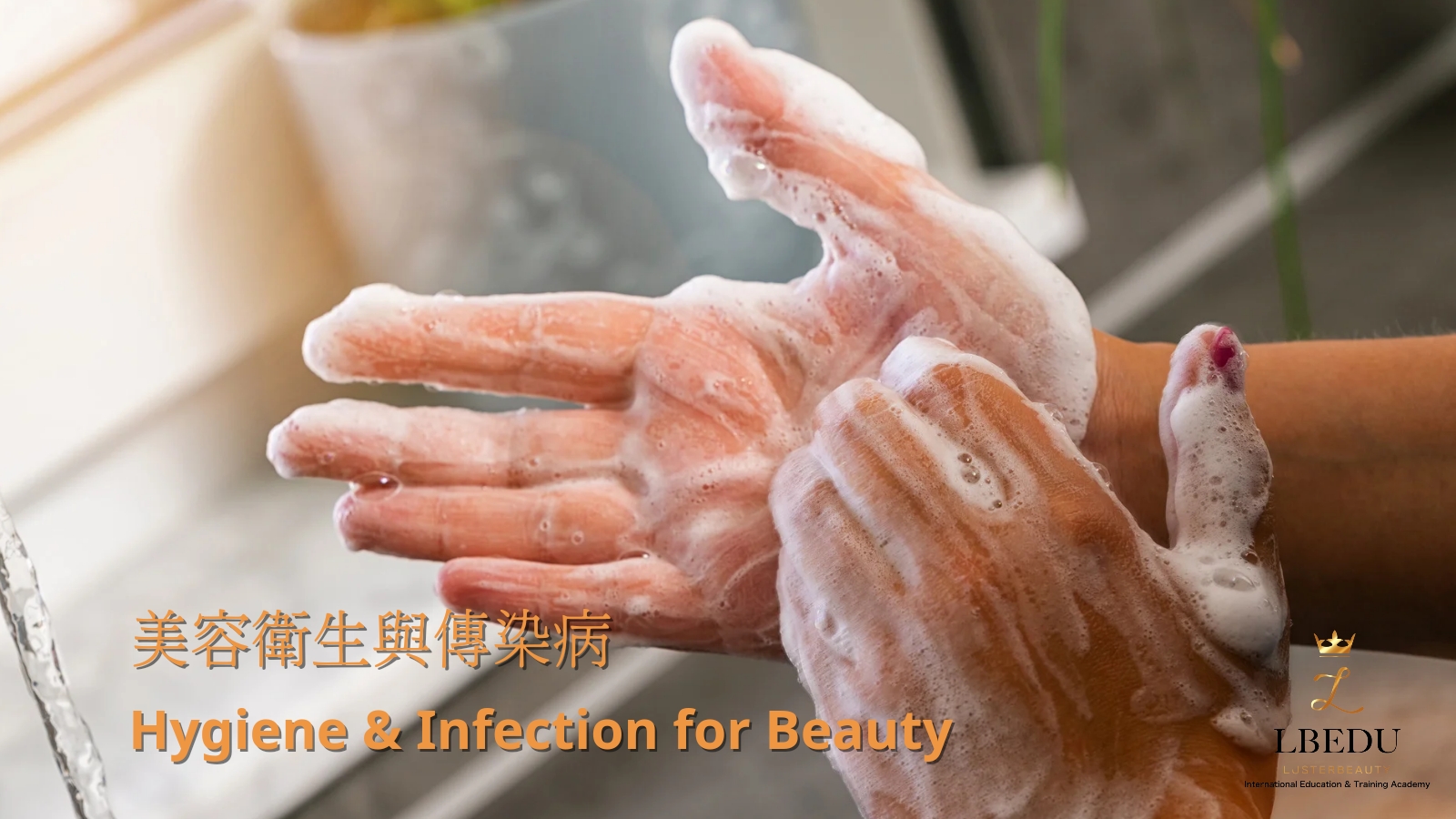
P. Hygiene & Infection for Beauty

[What is Hygiene? What is the definition of hygiene?]
Hygiene is a comprehensive set of measures and behaviors aimed at ensuring cleanliness and health for individuals, communities, and the environment. This includes regular practices of personal hygiene, access to safe water, clean food, a hygienic salon environment, vaccination for disease prevention, and maintaining high standards of environmental hygiene. The goal is to reduce the risk of diseases and infections, ultimately enhancing the overall quality of operating.
Key aspects of hygiene include:
Personal Hygiene: Involves regular handwashing, maintaining a clean body, dental hygiene, and grooming practices such as nail trimming to ensure cleanliness and health.
Food Hygiene (For beauty salon, spa, health care): Encompasses proper storage, processing, and cooking of food to prevent the occurrence of foodborne diseases.
Environmental Hygiene: Focuses on the cleanliness and sanitation of the environment, including homes, workplaces, and public areas, through regular cleaning and disinfection.
Water Source Hygiene: Ensures the cleanliness and safety of drinking water, preventing waterborne diseases and contamination.
Air Hygiene: Ensures the cleanliness of indoor and outdoor air, preventing the accumulation of harmful substances.
Infection Control: Involves preventive and control measures for infectious diseases, such as vaccination and the isolation of infected individuals.
Waste Management: Involves proper handling and disposal of household and industrial waste to minimize environmental and health hazards.
[What is hygiene for beauty?]
Beauty hygiene refers to a series of measures taken in the beauty industry aimed at ensuring the cleanliness and safety of the beauty environment, tools, and working procedures to reduce the risk of disease transmission and protect the health of both customers and beauty practitioners. Here are some recommendations and practices for beauty hygiene:
Instrument and Equipment Cleaning: Ensure that all beauty instruments and tools used undergo thorough cleaning and disinfection to prevent the spread of pathogens. The use of disposable tools is also an effective hygiene measure.
Clean Working Environment: Beauty salons or parlors should maintain cleanliness, including work areas, counters, waiting areas, and restrooms. This helps prevent the accumulation of bacteria and viruses.
Personal Hygiene: Beauty practitioners should maintain personal hygiene, including regular handwashing, wearing clean work attire, and avoiding providing services when ill.
Client Management: Ensure that clients undergo basic cleaning before receiving services and provide disposable protective tools such as capes or caps when necessary.
Cosmetic and Product Hygiene: Regularly clean and disinfect cosmetics and tools used and avoid sharing them. Ensure all products are fresh and suitable for specific clients.
Safety and Hygiene Knowledge: Beauty practitioners should undergo relevant training to understand how to address hygiene and safety issues and stay informed about the latest standards and guidelines.
Waste Disposal: Properly dispose of and handle the waste generated during beauty procedures to prevent pollution in the environment and work areas.
Beauty hygiene aims to ensure safety and hygiene during beauty processes, providing a secure environment for both customers and beauty practitioners. This helps prevent the spread of diseases and enhances the professional standards of the beauty industry.
[What is an infectious disease? What is the definition of infectious disease?]
Infectious diseases are illnesses caused by microorganisms such as bacteria, viruses, fungi, and parasites that can be transmitted between individuals. These microorganisms can enter the human body through various pathways, including direct contact, airborne droplets, food, water sources, and insect bites, leading to infections. Infectious diseases have the potential to rapidly spread among individuals, forming epidemics, and thus, they have a significant impact on public health.
Here are some characteristics of infectious diseases:
Transmission Pathways: The ways infectious diseases spread include airborne transmission, droplet transmission, contact transmission, food or waterborne transmission, and insect bites. The specific transmission pathway depends on the microorganism causing the disease.
Source of Infection: The source of infection for certain infectious diseases may be infected individuals (including symptomatic patients and asymptomatic carriers) or animals, depending on the specific pathogen.
Incubation Period: Infectious diseases typically have an incubation period, the time from infection to the appearance of symptoms. During the incubation period, an infected individual may already be contagious but may not show noticeable symptoms.
Prevention and Control: Most infectious diseases can be prevented through preventive measures and public health interventions that disrupt the transmission chain. This includes vaccination, adherence to hygiene standards, isolating infected individuals, using protective equipment, and health education.
Treatment and Antibiotics: Some infectious diseases can be treated with antibiotics or other antimicrobial medications. However, there are currently no specific antiviral drugs for certain viral infectious diseases, and treatment primarily relies on supportive measures.
Common infectious diseases include influenza, tuberculosis, viral hepatitis, HIV/AIDS, measles, cholera, dengue fever, and more. Due to the characteristics of infectious diseases, preventive measures and monitoring mechanisms are crucial for protecting public health.
[What is infectious disease for beauty?]
Beauty Infectious Disease Epidemiology is a discipline focused on studying the transmission and prevention of infectious diseases in beauty environments. This field emphasizes ensuring the health and safety of beauty practitioners and customers during various beauty services. Here are some detailed aspects of Beauty Infectious Disease Epidemiology:
Hygiene Standards: Beauty Infectious Disease Epidemiology studies the development and implementation of strict hygiene standards to reduce the spread of microorganisms during beauty procedures. This includes the cleanliness and disinfection of work areas, the use of disposable tools, and maintaining good personal hygiene standards.
Cleaning and Disinfection of Tools and Equipment: Beauty Infectious Disease Epidemiology emphasizes regular cleaning and disinfection of tools and equipment to prevent cross-contamination. This involves using appropriate disinfectants and ensuring tools are completely dry.
Use of Disposable Items: Beauty practitioners should avoid reusing tools that cannot be disinfected and prioritize the use of disposable items to ensure the safety of both customers and practitioners.
Health Checks and Monitoring: Beauty practitioners should undergo regular health checks to ensure they do not have infectious diseases. Additionally, strict monitoring and reporting systems should be in place as needed.
Client Education: Beauty Infectious Disease Epidemiology emphasizes raising awareness among clients about potential risks and provides corresponding protection and hygiene recommendations, such as skincare after specific services and observation.
Emergency Response and Isolation Measures: Establish plans for responding to infectious disease emergencies, including isolating patients, reporting disease cases, providing first aid, and assisting clients in accessing further medical help.
The goal of Beauty Infectious Disease Epidemiology is to create a safe and hygienic beauty environment, ensuring that beauty practitioners and customers can enjoy high-quality beauty services while minimizing the risk of infectious diseases.